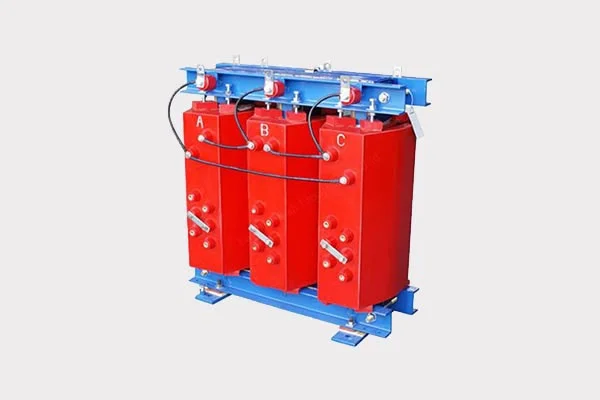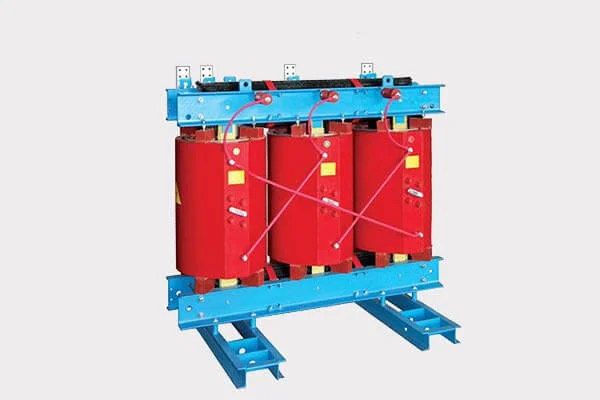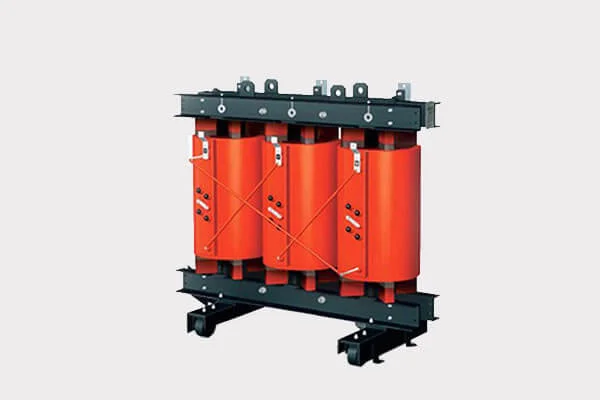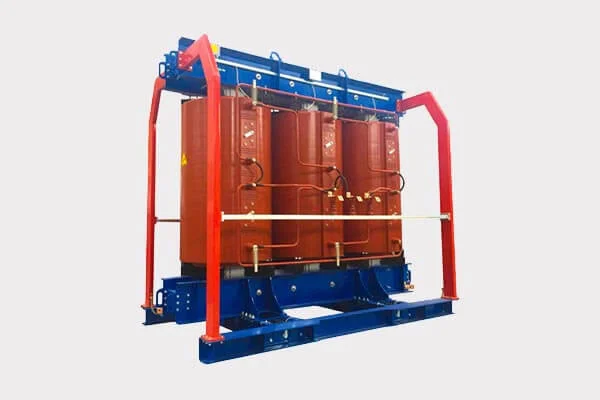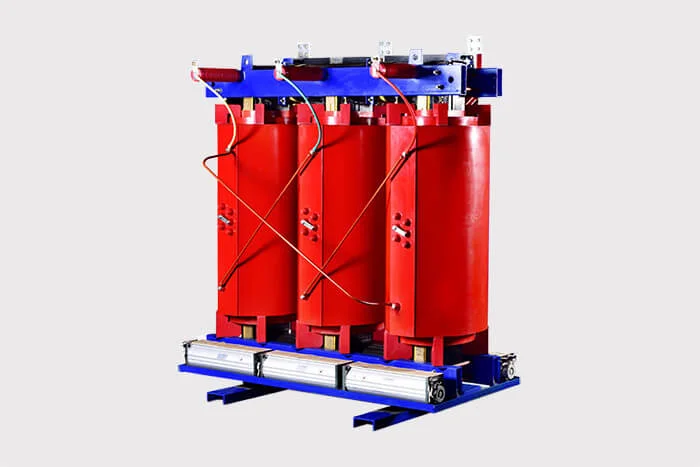
Safety becomes as important as efficiency when the power equipment operates in the proximity of humans. The dry type transformer has air and solid insulation instead of the oil that makes up the major fire and leakage problem of the older models. That is why we recommend it for installation in basements, podiums, hospitals, etc. As a dry type transformer manufacturer, we provide you with enclosed and resin-sealed transformers intended for efficient and long-lasting operation. All these transformers are designed to be safe, quiet, and friendly to people.
Our dry transformers fall into three major types depending on your installation requirements:
All Indoor Dry Type Transformers have a low noise level and can be installed near residential areas.
These are some typical parameters. For each particular project, we determine the final design taking into account your load, the size of your room and the local regulations.
Tell us about your load and site conditions, and we will determine the optimal size of your dry-type transformer.
The Cast Resin Transformer is also resistant to humidity and has good operating cycle capability.
As there is no need for oil, the transformer can be installed indoors near the load point. Shortened cable lengths result in less voltage loss and lower costs of installation. Operation and maintenance are easy; it is mainly cleaning and inspection, which will keep your transformer reliable for many years with minimal effort on your part.
The options are:
Most users prefer to purchase AN units with fan capacity installed so that the dry type transformer can accommodate future expansion. Temperature sensing is done on the windings for alarm and trip purposes in order to protect the unit from overload.
Our dry type transformers suit situations where safety, space and reliability are essential factors:
In each case, a dry-type transformer can be installed near the load, saving space and cost of cabling.
Each unit is subjected to all these tests before dispatch:
The design philosophy strictly adheres to the IEC 60076-11 and corresponding national standard specifications. Test certificates accompany every order. Type test certificates such as temperature rise and short-circuit test can be provided upon request.
For more than two decades, we have been manufacturing equipment, which has been supplied in more than 80 nations. Post-manufacturing, all units pass through stringent quality control procedures. We have logistics facilities for transportation, customs clearance, and warehousing. We also have an online support team that is operational 24x7.
Choosing a dry type transformer from an experienced manufacturer means getting a product suited for your specific site requirements.
Yes. It has no oil, so there is no leak or pool-fire risk. The insulation is self-extinguishing and gives off very little smoke. Just keep the room ventilated and the clearances correct.
Take your present load and add 20% to 30% for growth. If growth is uncertain, choose a dry type transformer with an AN rating and provision for fans.
Dampness and dust can weaken insulation over time. An Indoor Dry Type Transformer with sealed resin windings handles humidity well. For dusty rooms, choose an IP54 enclosure.
Yes, for short periods. With AF cooling, a dry type transformer can carry extra load. The safe time depends on room temperature and insulation class, so follow the nameplate guidance.
An Indoor Dry Type Transformer needs very little care. Follow this routine: