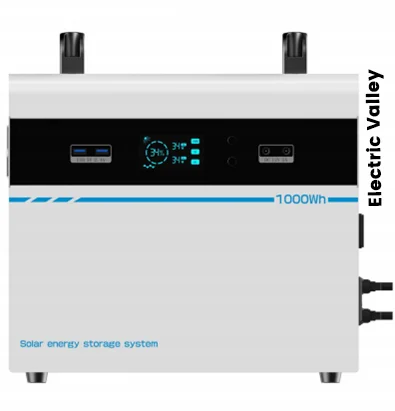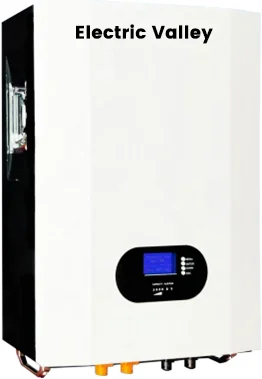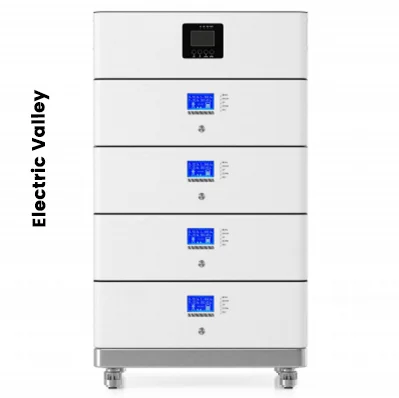
Solar panels generate maximum energy during midday while homes and businesses consume more during evenings. If there is no battery for storage, the excess energy will be delivered to the grid at lower rates while you buy it later at higher rates. PV Storage & Inverter Systems minimise this difference by storing energy in the day and utilising it later. The solar energy storage system can also keep the important loads operating in case the grid fails. Here is what we offer to you, along with the necessary information we need from your side to assist you in the selection process.
The product range is based on three components: batteries to store energy, cabinets for bigger systems and inverters to manage energy flow.
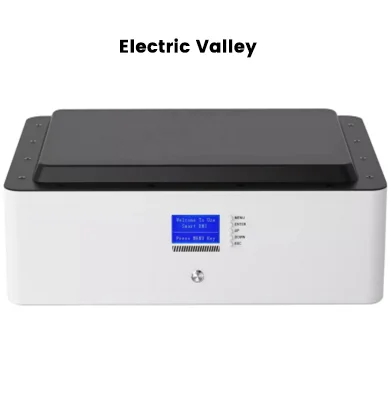
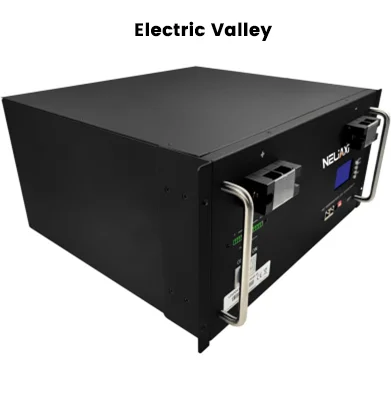
Solar battery storage systems comprise batteries. Portable batteries are suited for smaller stores and emergency needs, wall-mount LV batteries make optimal use of the floor area of your house, while LV and HV stackable batteries offer an opportunity for scalability. Packs are usually made up of lithium iron phosphate (LFP) cells because they have a good cycle life and are stable.
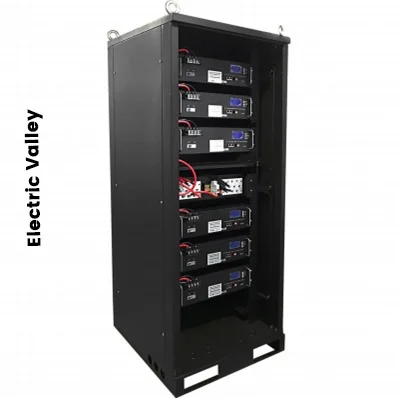
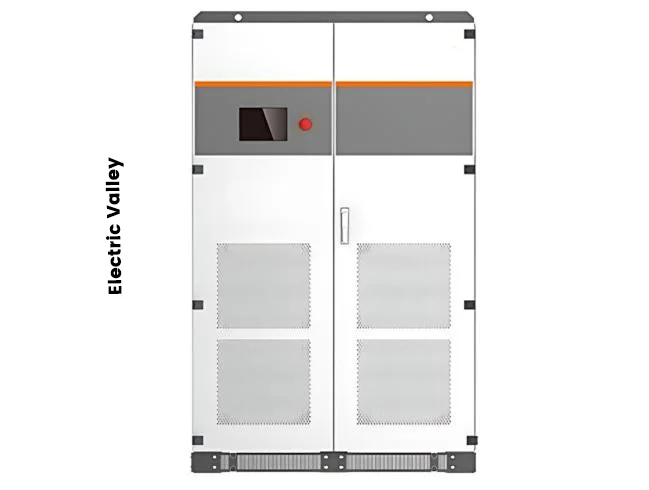
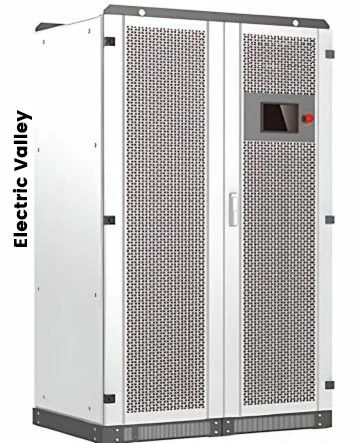
ESS cabinets incorporate batteries, protection, cooling and fire safety in one package. Modular in nature, cabinets can be installed next to each other, while outdoor-rated ESS eliminates the necessity to have a battery room.
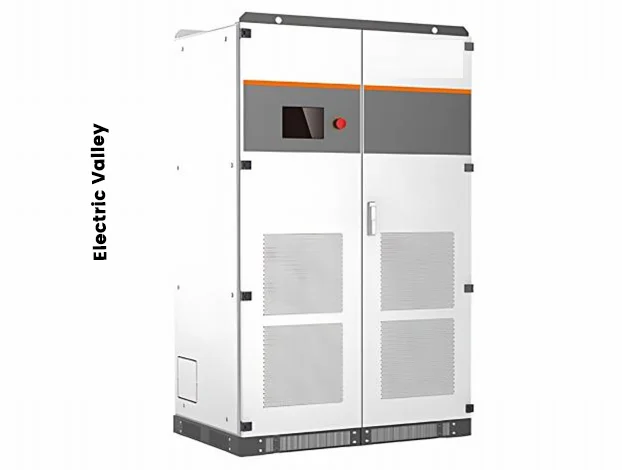
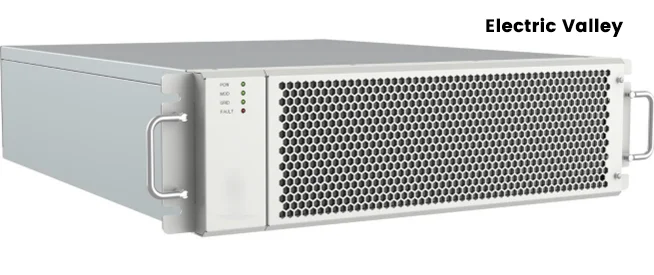
The inverter transforms DC energy from panels and batteries into AC to serve your load. The hybrid inverter is a device that combines all functions, including solar generation, charging of the battery and grid connection, while battery inverters provide batteries to an already existing solar plant. Choosing PV Storage & Inverter Systems with a paired inverter and battery ensures easy integration and efficiency.
Exact values depend on the model, but compare these parameters:
| Parameter | What to check |
|---|---|
| Battery chemistry | LFP for safety and long life |
| Voltage class | LV for homes and small sites, HV for larger systems |
| Usable capacity | Measured in kWh, after depth-of-discharge limits |
| Inverter power | Continuous kW rating and surge rating |
| PV input | Maximum DC voltage, current, and MPPT trackers |
| Backup output | Single-phase or three-phase, plus switchover time |
| Protection | IP rating, temperature range, and certifications |
Request a datasheet for all of these before purchasing any solar energy storage device. All the ESS products come with wiring diagrams, and the PV Storage & Inverter Systems have full documentation.
These advantages justify the popularity of PV Storage & Inverter Systems in new solar system installations. The proper selection of solar battery storage will help commercial entities reduce demand charges.
Residential. Residential customers operate evening loads using solar energy and ensure the proper functioning of refrigerators, fans, and lights even during outages. The wall-mounted solar energy storage solution can be installed in a garage or utility room and is rapidly deployed in residential PV Storage & Inverter Systems.
Commercial. The commercial sector uses energy storage solutions to reduce peak consumption and ensure protection of sensitive equipment. In addition, a small ESS installation may be used to replace the loud diesel generator for a short outage.
Industrial. For industrial facilities, cold storage, and telecommunication sites, more capacity and high reliability are required. In this case, HV batteries or several cabinets will provide a good solution for peak load management. The solar battery storage system can be used for stabilising the energy produced by rooftop solar systems.
This is where sizing fails most projects; hence our guidance through the process:
Get back to us with all these details, and we will advise you on a solar energy storage system that will have sufficient capacity and inverter rating. We can even compare PV Storage & Inverter Systems with varying battery sizes to demonstrate costs and benefits of each.
Batteries should be placed in a well-ventilated and shaded location, away from any flooding danger or direct heat sources. Cable installations require proper sizing, fuses, DC isolators, and earthing, so you must rely on a professional to install it properly and follow local electrical codes.
Safety is guaranteed. Every Energy Storage System has a battery management system that monitors the cell voltage, temperature, and current and cuts off the battery when there are limit exceedances. The inverter provides anti-islanding and ground-fault protection.
Monitoring makes it all work. The application or web interface displays solar energy generation, battery charge, and grid consumption in real time. Remote monitoring allows us to troubleshoot PV storage and inverter systems remotely without visiting your location, and the solar battery storage report will show performance through different seasons.
The batteries, cabinets, and inverters are designed, built, and tested by us; all components are compatible with each other. You receive technical assistance from the moment of enquiry through to commissioning, as well as documentation and professional recommendations. If there is a smaller solar energy storage system that satisfies your requirement, we will inform you about it. Give us your site information and we will offer you a viable proposal.
Start with the energy you use after sunset and during any outage. Your battery should cover that amount, and your solar array should be large enough to recharge it the next day. Our team can check the numbers for your PV Storage & Inverter Systems design.
LV batteries are simple and ideal for homes and small shops. HV batteries run at lower current, which suits larger loads. If you expect to scale up, an HV-based ESS is often the better long-term choice, and PV Storage & Inverter Systems can be matched to either.
Usually, yes. Stacked batteries and modular cabinets are made for expansion, but confirm that the inverter supports the extra capacity and that new modules match the old ones. Adding solar battery storage later is easier when PV Storage & Inverter Systems are designed with spare room.
The inverter disconnects from the grid for safety and creates a local supply from the battery and solar panels, usually within milliseconds. Only loads on the backup output stay on, so choose them carefully. A solar energy storage system without a backup output will simply shut down, so confirm this feature before ordering.
The battery management system tracks every cell’s voltage and temperature and disconnects the battery during faults. The inverter shares data with the app, so you see charge levels and receive alerts. Our PV Storage & Inverter Systems also include fuses, isolators, and surge protection as needed.