An induction motor started dead-on-line can draw up to six or seven times its rated current for several seconds. The lights dim, breakers upstream trip, and there are stresses on the shaft and coupling. The shock can be mitigated by use of a reactor in series with the stator winding. MV motor starting reactors are one of the simplest remedies, and each one is a type of medium voltage reactor and they are part of a broader group of coils which control current flow in power systems, including the HV reactor used on transmission networks. Here is an examination of the product range, options, and requirements for MV motor starting reactors.
The reactor is a coil that opposes sudden changes in current flow. It is the placement and function which distinguishes reactor from reactor.
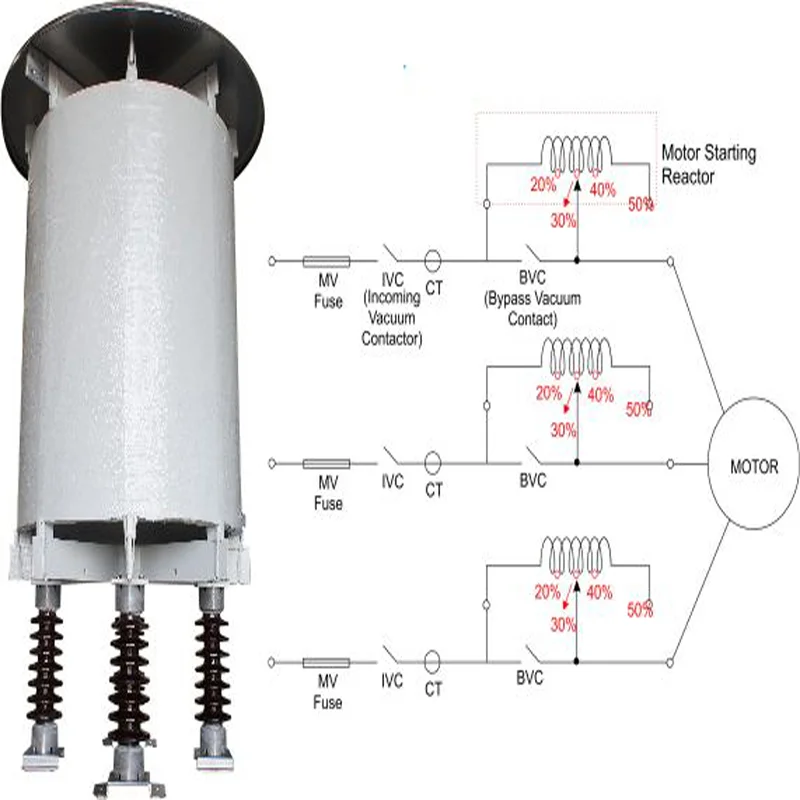
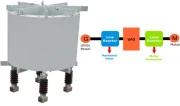
These reactors are wired in series with the stator winding while the motor is being started. This reduces the line voltage applied to the motor and hence the current drawn. At full speed, the coil is bypassed by a contactor. Our MV motor starting reactors have taps at 50%, 65% and 80% of line voltage. Since the torque is proportional to the square of the voltage, the load must be capable of starting on reduced torque.
Current Limiting Reactors are in series with the feeders, bus ties or transformer incomers and control fault current. The shunt reactors are installed between line and earth and take excess reactive power on long and lightly loaded lines. Either can be constructed as medium voltage reactors for plant systems or enlarged as an HV reactor for transmission purposes.
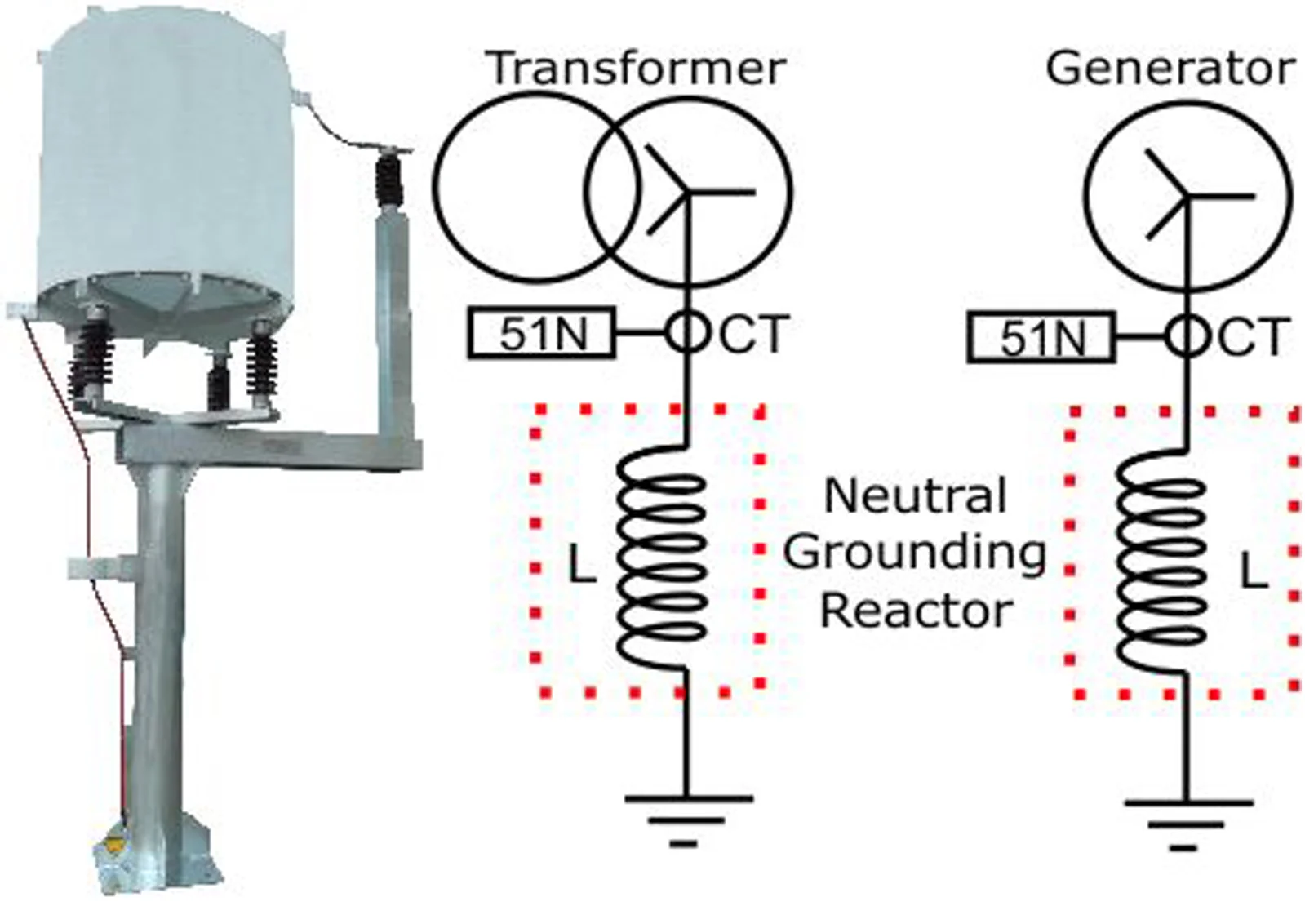
The filter reactors work with capacitors to provide filters for harmonic currents generated by drives and rectifiers. The smoothing reactors are used to reduce ripples in DC circuits. The neutral grounding reactors limit earth fault current from the transformer neutral.
The furnace reactors maintain the arc and reduce surge currents during melting operations. The line/load reactors protect the drives and cables from the voltage transients. The test laboratories require the heavy-duty coils in short-circuit and simulated test circuits, where the HV reactor can have very high test voltage ratings.
| Parameter | Typical range |
|---|---|
| Voltage class | 3.3 kV to 36 kV for MV, up to 145 kV for HV |
| Rated current | 50 A to 3,000 A |
| Inductance | 0.5 mH to 500 mH, or 3 to 100 per cent impedance |
| Insulation | Class F or H, impulse levels per IEC 60076-6 |
| Installation | Indoor or outdoor, floor- or suspension-mounted |
| Frequency | 50 Hz or 60 Hz |
Provide us with your motor information, and we will verify your MV motor starting reactors' specifications.
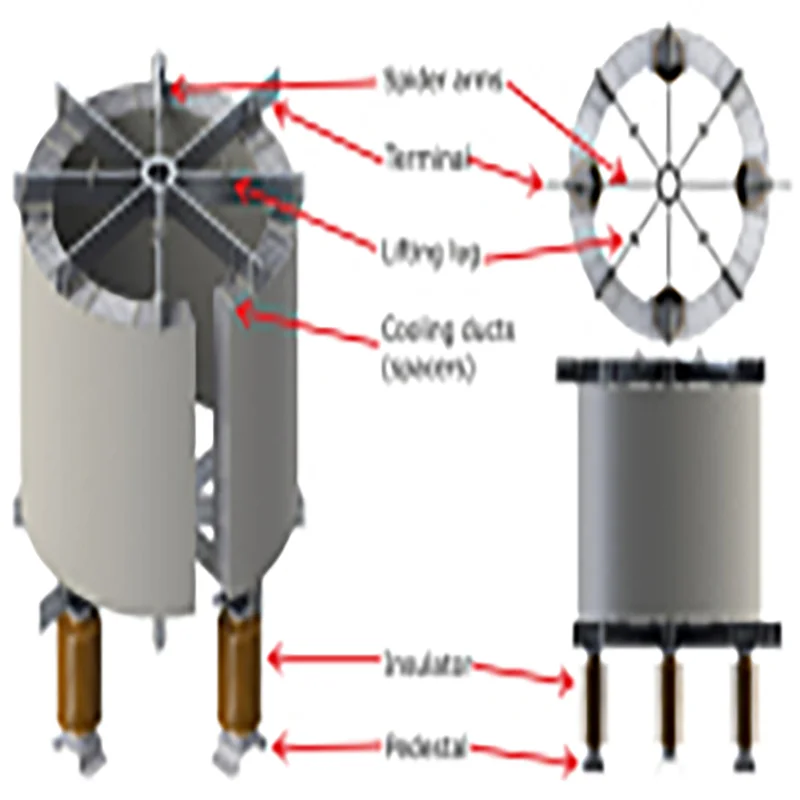
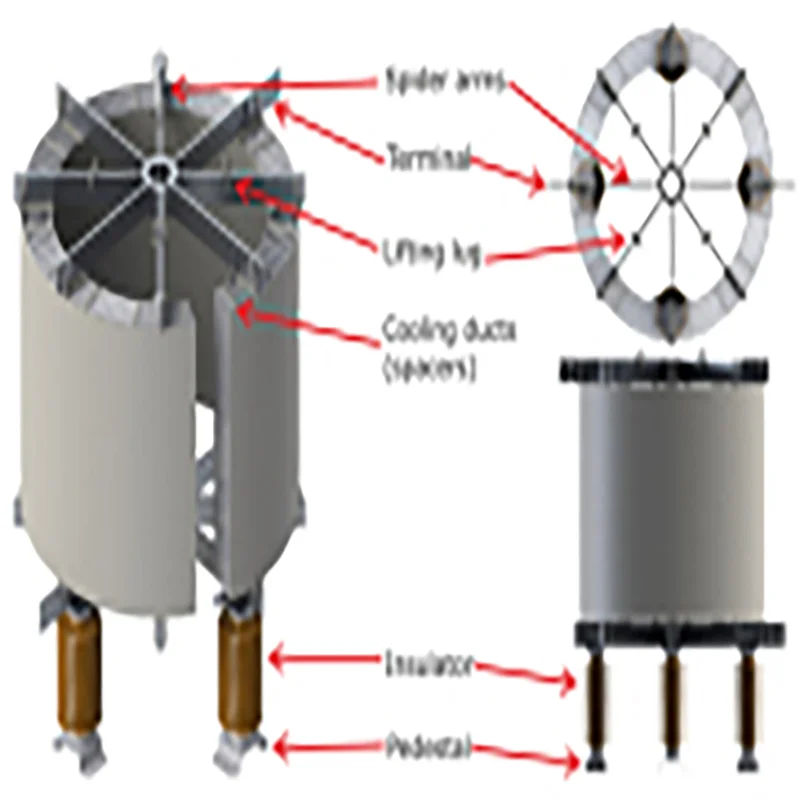
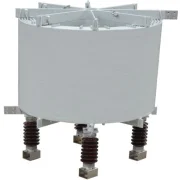
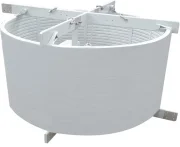
Air core/reactors without iron in their structure are not saturating and their inductance is linear, regardless of whether it reaches several times above the rated current level. These devices are relatively lightweight, require minimal maintenance and cannot leak oil. The only disadvantage is that such a reactor has a stray magnetic field, which should be taken into account during installation, since it requires some clearance from steel construction elements and reinforcement bars.
An oil-filled reactor utilises a gapped iron core in its tank. Such a reactor is relatively compact and enclosed; therefore, it is more appropriate for high voltage levels, restricted spaces and polluted environments which makes it the usual choice for an HV reactor. However, this type of reactor requires oil testing on a regular basis.
MV motor starting reactors are used in mining, cement and water treatment plants, where pumps, fans, compressors, and crushers operate in the process. In addition, shunt reactors and current-limiting reactors are used by utilities in power transmission and distribution lines. Furnace reactors are installed at steel mills, filter reactors at facilities using big drives, while wind and solar power plants use a medium-voltage reactor for reactive power control on long collector lines.
Please send us the above data to size your MV motor starting reactors and all other equipment:
Missing a value? Our engineers will help estimate it.
All coils are wound, cured and tested by us in-house to ensure quality is under direct control. Our engineers analyse your requirements before providing a quote, ensuring that your medium voltage reactor is neither undersized nor oversized. Every product is subjected to normal testing of resistance, inductance and insulation values, and type test certificates are available.
Place a series reactor in the starting circuit. With a 65 per cent tap, starting current drops to about 65 per cent of the direct-on-line value, and torque to about 42 per cent. A bypass contactor closes once the motor accelerates. MV motor starting reactors make this simple.
Start with the maximum current your supply can tolerate, then work back to the voltage drop needed. Confirm that the reduced torque still exceeds the load torque with a safe margin. Send the motor curve and we will run the numbers.
Yes. A current-limiting reactor in series with feeders or between buses raises impedance and cuts fault level, so existing switchgear stays within its rating. A medium voltage reactor is often cheaper than replacing breakers.
Choose air-core when you have clearance and want low maintenance. Choose oil-filled for tight space, high voltage or heavy pollution. An HV reactor above 66 kV is usually oil-filled.
Voltage, frequency, equipment or network ratings, the required current limit, duty cycle and site conditions, as listed above. With these, we can quote MV motor starting reactors within days.