A ground fault within a generator stator is one of the worst problems that a power station can have. The reason for this is that the fault current goes through the core laminations, burns the iron, and may force the repair work to become rewinding. But there is nothing complex about the solution. Generator neutral grounding equipment ensures that the fault current does not exceed a certain value and helps to detect a problem. This explains our products, cubicle components, required data, and expectations from a manufacturer.
Three types of connections are formed, and each one is chosen according to your generator size and approach to protection.
Connection with transformer and resistor. The distribution transformer is connected to the generator neutral, and the resistor is connected in parallel with the transformer secondary winding. This resistor is small and low-voltage but acts as a very large resistor in terms of the primary side of the transformer. It is the most widespread generator neutral connection arrangement for large generators.
High resistance grounding. Current during a fault does not exceed five to fifteen amperes. Damage remains minimal and the generator may be disconnected safely. High resistance grounding system is used by almost all utility and industrial generators.
Low resistance grounding. Resistor grounds neutral to earth and lets a higher level of current flow, usually about a few hundred amperes. Good signal is detected by relays, which is preferable in certain generators with direct feeding to the network from generator voltage.
Each generator neutral cubicle is designed using your generator data, which means that it corresponds specifically to your generator.
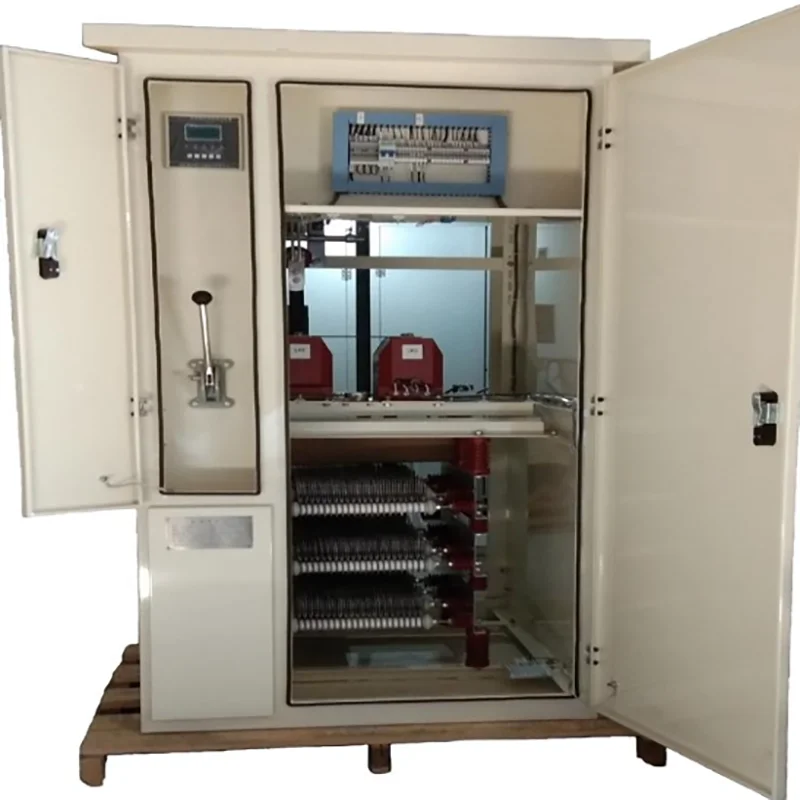
The generator neutral cubicle goes beyond being just a cubicle that houses a resistor. This is a list of its components:
Grounding Transformer/Resistor: It reduces the fault current and dictates the manner through which the generator is grounded.
Current Transformers (CT’s): They are used to measure the neutral current used by the stator earth fault relay.
Voltage Measurement: The relay, using the secondary resistor, will be able to identify a fault based on the voltage produced.
Protection Equipment: Surge Arresters, isolators, and sometimes a test link depending on the maintenance.
Enclosure and Terminals: A sturdy structure with an earth bar and cable entries suitable for your leads.
A good generator neutral grounding equipment system will have all these components working together and giving clear results.
Three details drive the design:
| Parameter | What it tells you |
|---|---|
| Generator rating | The MVA and machine type, which set the capacitance and the equipment size |
| Voltage | The generator terminal voltage, such as 6.6, 11, or 13.8 kV |
| Fault limit | The maximum ground current allowed, which sets resistor value and rating |
Short-time rating is important as well. The resistor should sustain the fault current for the entire time it takes to clear the fault by the relay and circuit breaker, usually 10 seconds. We estimate each generator neutral grounding equipment unit with a safety margin, and the generator neutral cubicle is rated for outdoor or indoor applications.
The primary value is protection, and it comes in the form of the following:
Generator neutral grounding equipment installation is a minor expense compared to the damage to the stator. A well-designed generator neutral cubicle will facilitate the testing and inspection process as well.
Power Plants. Big steam, gas, and hydro power stations normally are linked using a step-up transformer with high-resistance grounding of the generator neutral point. The protection of the stator of the unit is ensured by generator neutral grounding.
Standby units. Hospitals, computer facilities, and commercial establishments rely on standby generator sets. A small generator neutral cubicle ensures the protection of the generator set that has to be started in case of grid failure.
Industrial power plants. Industrial captive power stations in steel, cement, pulp and paper, and chemical industries operate in parallel with the grid. Generator neutral grounding devices limit fault currents and prevent circulating currents between units.
Different plants mean different cubicles, tailored to you. You can select resistor and transformer ratings, indoor or outdoor cubicle, cable entry location, metering, and relay location. It is possible to add space heaters, a testing station, and terminal arrangements for your cables.
Testing is no exception. The resistance of the resistor and the insulation are measured. Dielectric withstand testing, transformer ratio testing, and wiring are performed. Heat test makes sure that the resistor can carry out its fault current within allowed time limits. Testing is done upon your request, and we keep records of all tests on generator neutral cubicles that we supply.
Everything - design, fabrication, wiring, and testing - is done at our premises, thus ensuring consistent quality and delivery. You will have engineering assistance from enquiry to commissioning and an honest opinion about whether it is enough to use a transformer-based or resistor-only unit. Supply us with information about your generator, and you will receive an offer for your generator neutral grounding equipment installation.
Limit the fault current with generator neutral grounding, usually high resistance. Pair it with a stator earth fault relay so the unit trips quickly.
High resistance keeps damage minimal and suits most sets. Low resistance gives stronger relay signals but allows more fault current.
Use a current relay on the neutral CT or a voltage relay across the secondary resistor. Many schemes add a third-harmonic relay for full winding coverage.
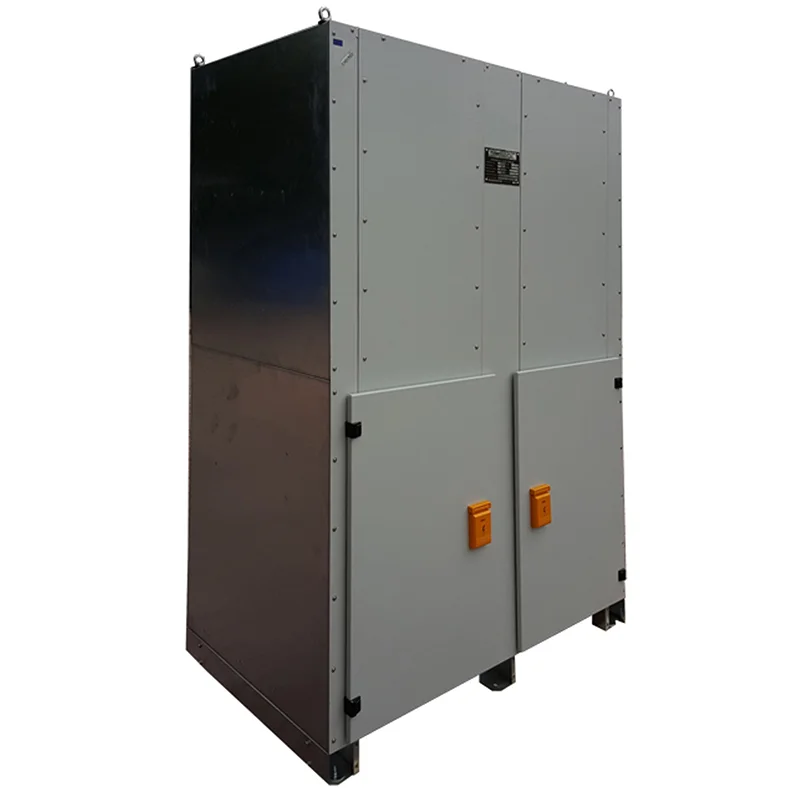
A generator neutral cubicle holds a resistor or transformer, CTs, and protection devices. It connects between the generator neutral and earth.
Please share the generator MVA, voltage, fault current limit, clearing time, and site conditions. Also tell us about your relay and cable details.