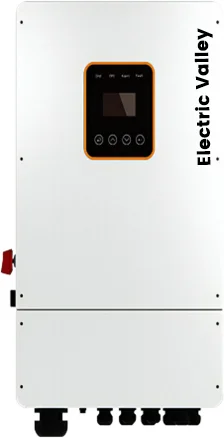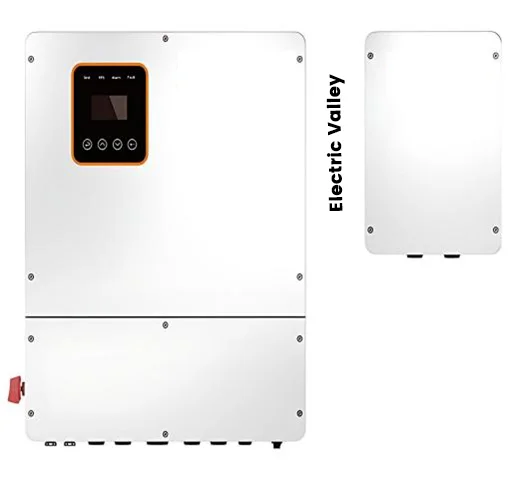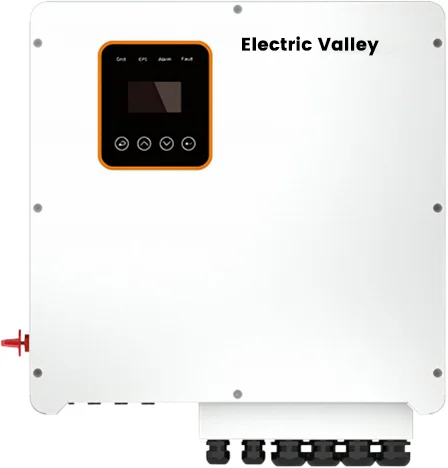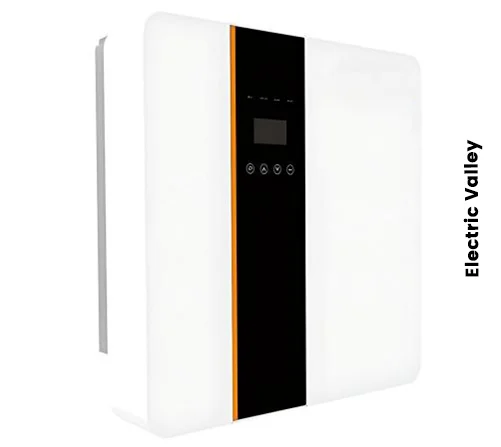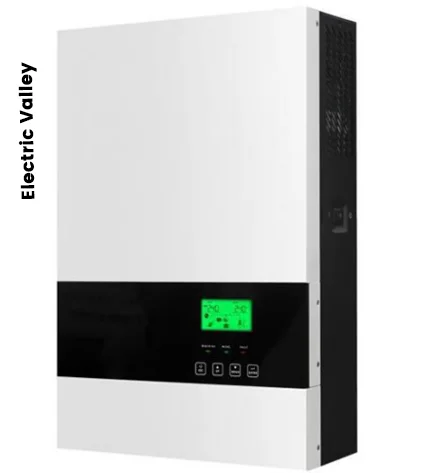
Sunlight is free, but only when it is usable at night time. Our Battery Inverter System captures the energy produced during the day from the sun and discharges it in case of a grid blackout or during times of peak pricing.
In smaller settings such as a domestic household, our Hybrid Inverter unit manages the solar charge, battery, and grid connection in a single unit.
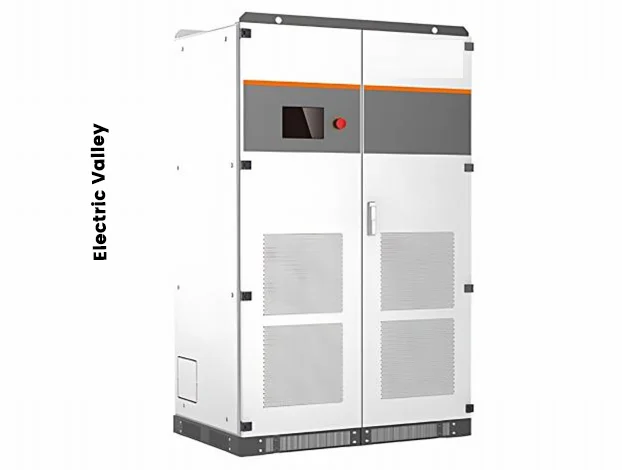
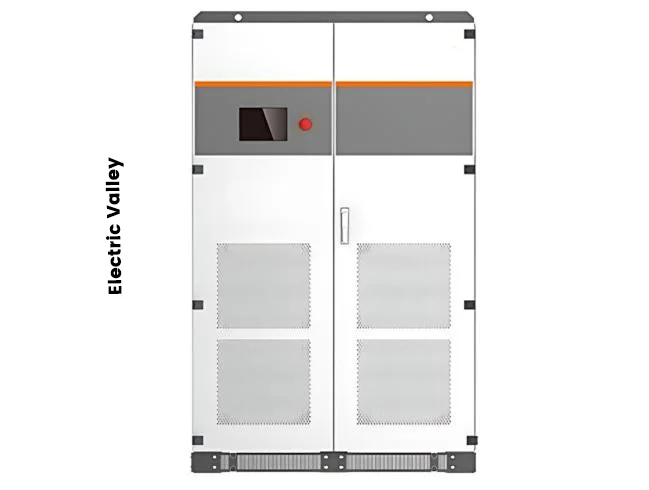
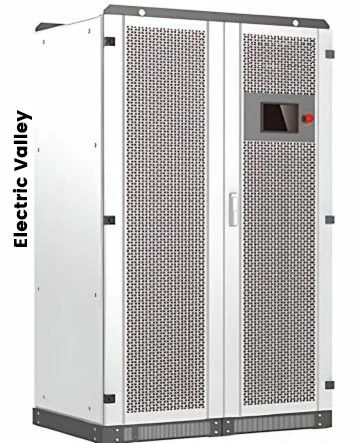
In larger-scale installations, our Energy Storage Inverter unit works in both ways from the battery to the grid or vice versa.
Each Battery Inverter System that we offer is selected according to the power rating and grid modes.
| Model family | Typical use |
|---|---|
| Single-phase solar storage hybrid inverter | Homes and small shops |
| Three-phase solar storage hybrid inverter | Larger homes and light commercial |
| Wall-mounted off-grid hybrid inverter | Remote sites without a grid |
| American standard inverter (battery 48V or above 80V) | American-standard equipment |
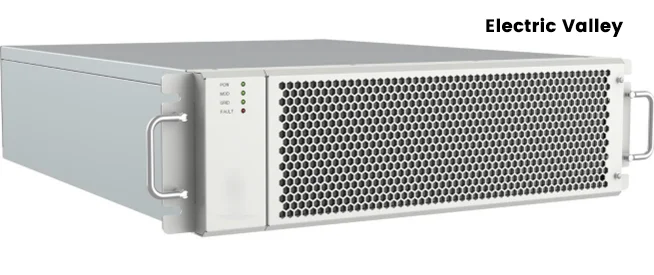
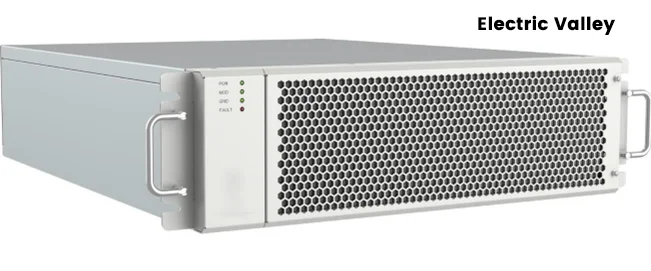
| Modular bidirectional energy storage inverter | Commercial and industrial storage |
| Power conversion system, with or without isolation transformer | Large storage plants |
Select according to power capacity rating, either single-phase or three-phase, as well as grid-tie, off-grid or hybrid operation.
Select a hybrid inverter for residential and smaller installations, and a modular system for commercial energy storage scalability.
Modular Energy Storage Inverter System allows you to add additional power blocks if needed.
Battery Inverter System is specified according to the following parameters:
Actual parameters will vary depending on the model you select; we will verify them based on site specifications before quoting.
Energy Storage Inverter actual parameters will be determined by battery and load capacities provided by you.
Backup when you need it: The Battery Inverter System goes to battery in case of a utility power outage to keep your lights, fridges and equipment on.
Smarter solar use: The Hybrid Inverter keeps any excess solar energy stored for nighttime consumption, thus saving more.
Flexible control: With time-of-use options, an Energy Storage Inverter will recharge from the grid when electricity is cheaper, and discharge it when expensive.
Built to last: Heavy-duty construction, advanced cooling system, and informative screens will make operation easy and smooth every day.
All these components ensure stable operation, reduced bills, and peace of mind.
A proper Battery Inverter System operates with several different types of batteries and voltages:
The amount of power a battery provides determines your autonomy time, and inverter output power determines your simultaneous power consumption.
Start by checking the battery voltage, as every Hybrid Inverter has a defined input voltage range.
A Battery Inverter System maintains power stability whether it is in a family kitchen or a factory.
Each location has its own peak loads; therefore, the design needs to be based on accurate usage information rather than assumptions.
The installation process of a Battery Inverter System is simple when done in four stages:
Make sure there is enough space for both the inverter and battery, as well as proper ventilation.
Safety is just as important as efficiency. Use qualified professionals, correct breakers and sufficient ventilation.
Weifan Electrical Technology Co., Ltd. has been manufacturing power equipment for over 20 years, supplying to more than 80 countries. We stay with our customers through all Battery Inverter Systems projects from inquiry to delivery.
Potential buyers of a Battery Inverter System should know about warranty, certification and availability of spare parts.
Our Energy Storage Inverter lineup is scalable and develops with you from a cabinet up to a whole power plant.
In case of need for a reliable Battery Inverter System, we offer you engineering support, strict quality control and secure delivery.
Before requesting a quotation, you should be prepared with the following information:
Location of your site and logistics requirements
Provide us with this information and a Battery Inverter System specialist will respond with an offer.
Add up your daily energy use in kWh and your peak power in kW. Choose an inverter that covers the peak, and a battery that covers the hours you want to run from storage. Share your bills and appliance list, and we will size both.
Divide usable battery capacity by the load you keep on during the outage. For example, a 10kWh battery running a 1kW load gives roughly ten hours, less losses. Backing up only essential circuits makes it last longer.
Often yes. We check panel voltage, current and layout against the inverter’s input limits. Send your panel and inverter details, and we will confirm whether you need to add or replace anything.
Yes, if you plan for it. Modular units and stackable batteries let you add power and storage over time. Tell us your growth plans so the first design leaves room.
Typical protections include over-voltage, over-current, short-circuit, over-temperature and anti-islanding, plus battery limits. Confirm the full list for your chosen model on its data sheet.