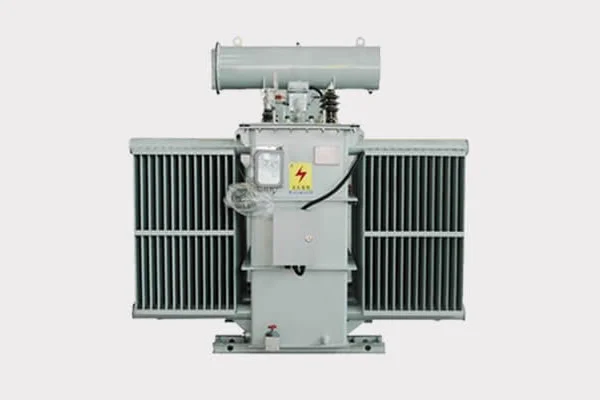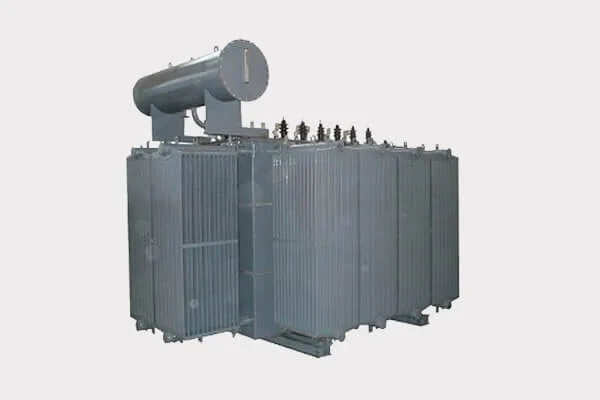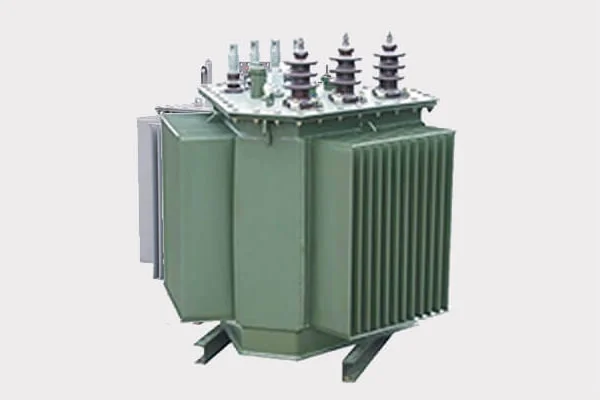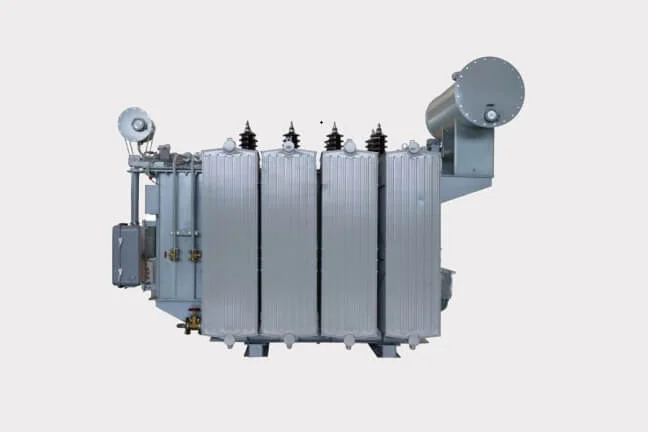
All grids rely on their transformers. If the transformer breaks down, then a substation may be plunged into darkness, and the entire plant halted. The cost of repairs will be way too high. A properly selected High Voltage Power Transformer will supply energy for years to come, thus making the choice of the right product pay for itself. We are Weifan Electrical Technology Co., Ltd., with over 20 years of power equipment production experience and customers in more than 80 countries all over the world.
The choice of a High Voltage Power Transformer should start with your network analysis, and we will start from it.
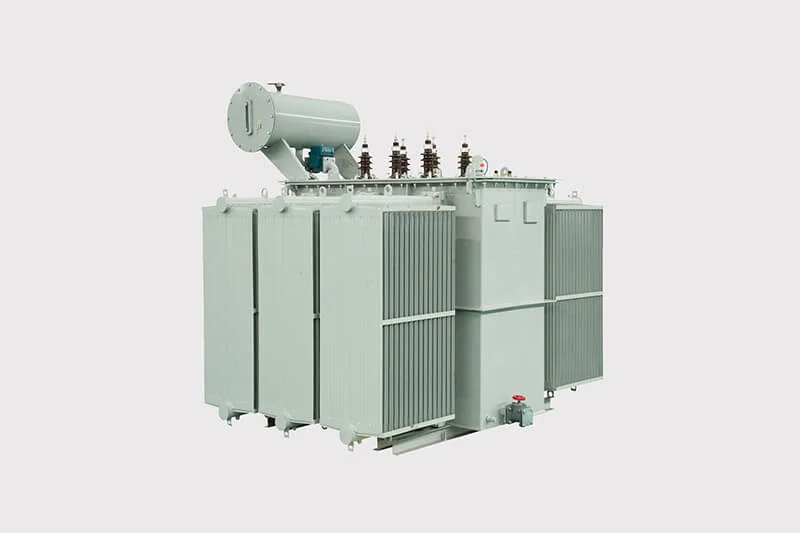
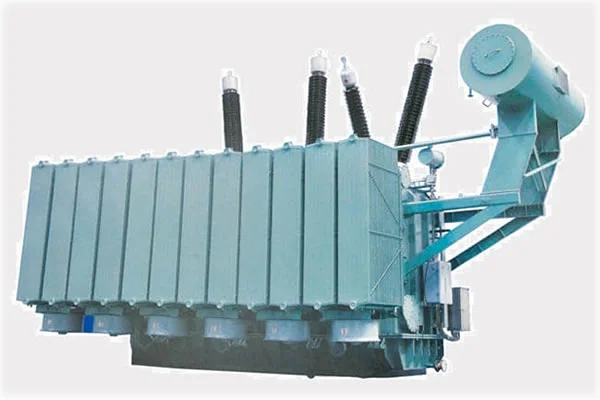
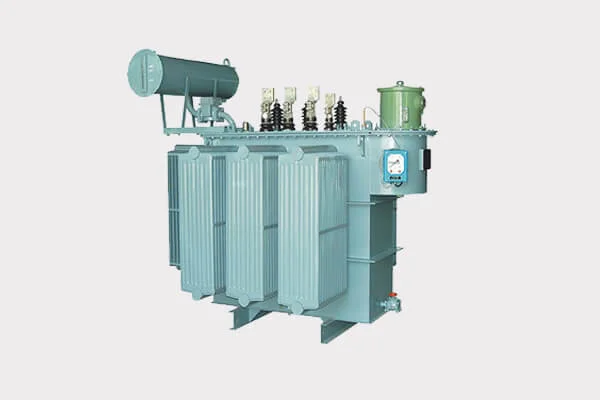
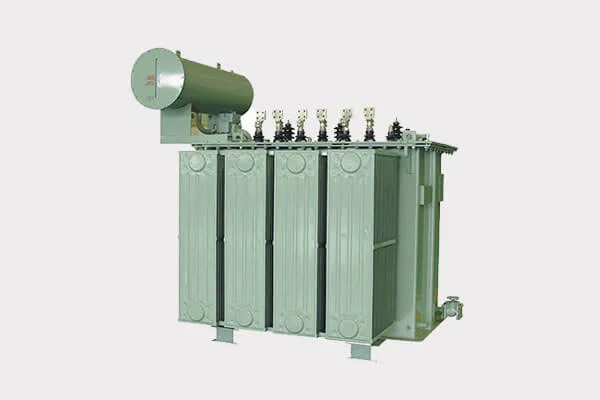
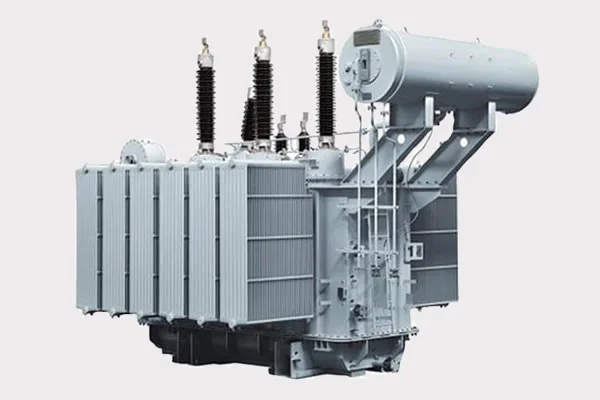
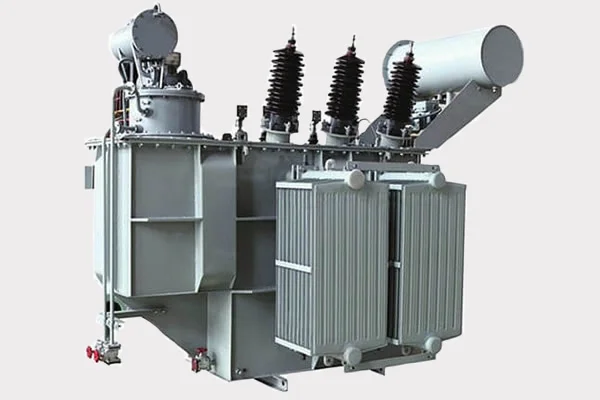
Our range consists of oil-immersed transformers at distribution level all the way through to 220kV. Every High Voltage Power Transformer is tailor-made for your network.
Two-winding transformers link two voltages like 33kV to 11kV and are often used in substations. The three-winding transformer has a third winding to provide a tertiary voltage or a secondary load voltage. Both can be supplied with an on-load tap changer OLTC for adjustment under load conditions and an off-circuit tap changer for an easy and cheaper solution.
The catalogue also comprises 35kV, 36kV, 66/110kV and 220kV transformers, oil-type rectifier transformers and S11 type transformers.
Several plants require an Industrial Power Transformer that is able to withstand constant load fluctuations.
No matter what voltage class you need, we have the right High Voltage Power Transformer for you.
High Voltage Power Transformer specifications can be derived from a small number of criteria. The actual values will be determined by your system analysis.
| Parameter | What we confirm |
|---|---|
| MVA | Rated power, including growth margin |
| Voltage ratio | Primary and secondary voltage for your network |
| Vector group | Winding connection that matches your system |
| Impedance | Value set to control fault level and voltage drop |
| Losses | No-load and load loss targets |
| Cooling | Cooling method suited to load and climate |
| Tap changer | OLTC or off-circuit, with tapping range |
The Industrial Power Transformer requires careful consideration regarding impedance and losses since both of them influence the fault level and operating cost.
Reliability of the High Voltage Power Transformer depends on the quality of materials and design. Lower losses mean that you will save money on operating costs every year. Robust windings and tank make it possible to survive short circuits and transportation.
The other advantage is the voltage regulation. Due to the proper tap changer, the High Voltage Power Transformer keeps the output voltage constant regardless of changes in load.
Robust construction allows the Industrial Power Transformer to serve for a long time in harsh conditions.
All units are accompanied by accessories needed for their safe operation and control. Usually these include a conservator with an oil level indicator, Buchholz relay, pressure relief valve, oil and winding thermometer, silica gel breather, bushings, and a nameplate. Radiators or cooling fans are installed if needed.
A High Voltage Power Transformer must always be adapted to your protection system, so let us know what relays and signals you employ.
Selection of accessories for an Industrial Power Transformer is determined by site conditions and maintenance routine.
We design our transformers for utility substations, steel mills, mines and renewable energy projects. In utility substations, our transformers are used to step up and step down voltages in the grid. Steel and mining facilities require transformers capable of working under severe conditions with fluctuating loads. Renewables require transformers capable of connecting solar/wind generated power to the grid.
Usually, in utility substations, a High Voltage Power Transformer is selected.
Industrial facilities require an Industrial Power Transformer.
After manufacturing is complete, all units go through rigorous quality checks before being dispatched. Standard factory testing usually includes winding resistance, voltage ratio and vector group, no-load and load loss, impedance, and insulation withstand tests. Test reports and approved drawings are provided to facilitate the review by your engineers of each unit.
All High Voltage Power Transformers ship with a detailed test report.
Transformers are very heavy and bulky, requiring proper care during transportation. Each transformer is carefully packed for sea or overland transport, and securely braced with bushings and openings sealed. Our logistical team will ship your transformer worldwide and keep you informed of its progress until it arrives at site.
Proper packing prevents damage to a High Voltage Power Transformer due to vibrations during transit.
Other than proper packing, an Industrial Power Transformer requires proper route planning.
We have been dealing in power transformers for over two decades, and our reach spans across 80 countries. We check the drawings and data that you provide, and our after-sales support is available round the clock.
When you want to buy a High Voltage Power Transformer, we will add engineering expertise, inspection and delivery to your project.
We can also offer an Industrial Power Transformer, complete with the same set of drawings and documents.
Please send us the required information such as the voltage ratio, MVA and site details, so that we can send you a technical proposal for your High Voltage Power Transformer.
Start with your present peak load in MVA, then add a margin for planned growth. Consider the power factor and how the load varies through the day.
Higher impedance reduces fault current, which eases the duty on downstream equipment, but it increases voltage drop. Lower impedance does the opposite. Choose a value that balances your switchgear ratings and voltage regulation.
Ask for routine tests: winding resistance, voltage ratio, vector group, no-load and load losses, impedance and insulation tests. For critical projects, you can also request type or special tests.
Units are braced and protected for sea or land transport, with bushings and openings guarded. Very large units may ship without oil and be refilled on site. Our logistics team plans the route and handles customs clearance.
Common causes include overloading, moisture in the oil, poor maintenance, loose connections and repeated through-faults. Prevent them with correct sizing, regular oil tests, good protection settings and routine inspection of bushings, cooling and connections.