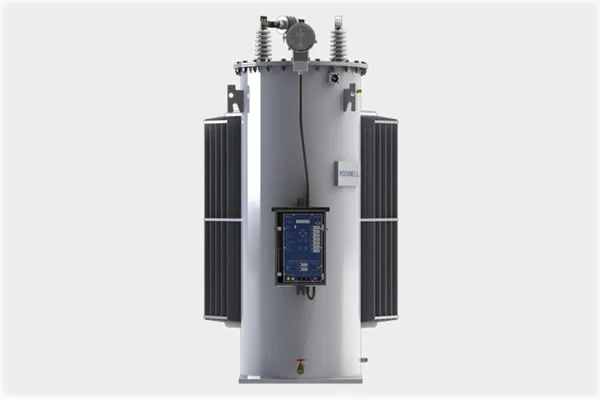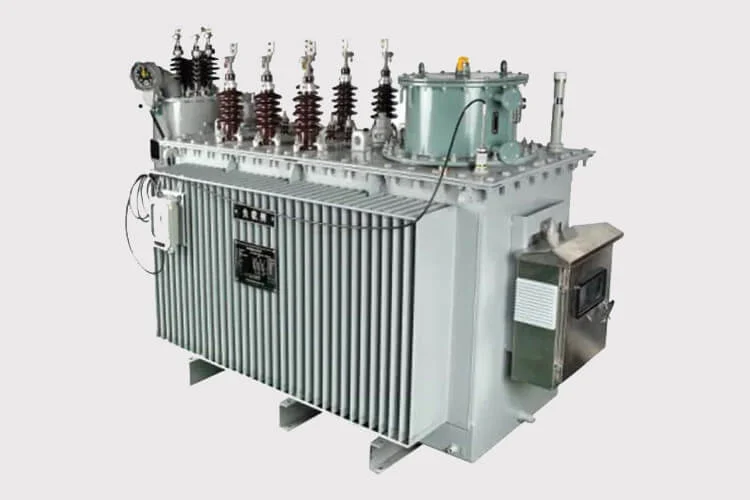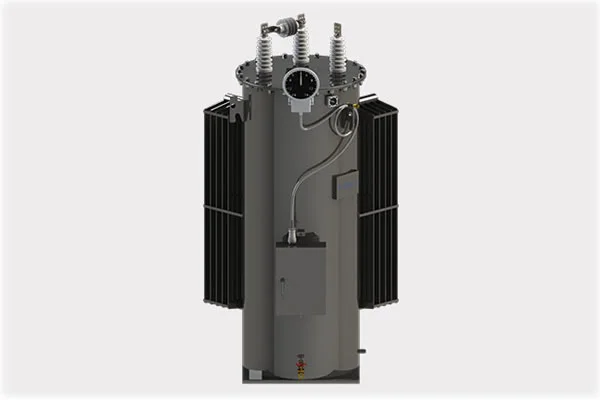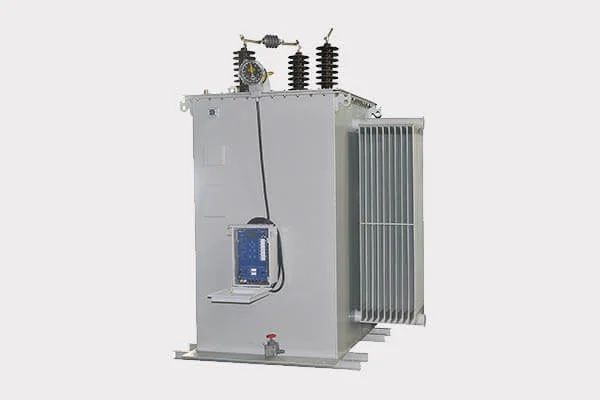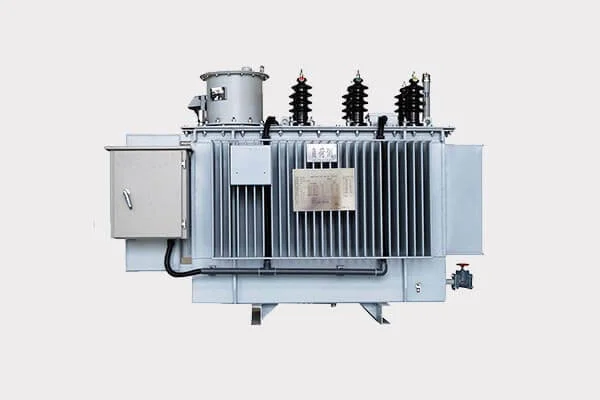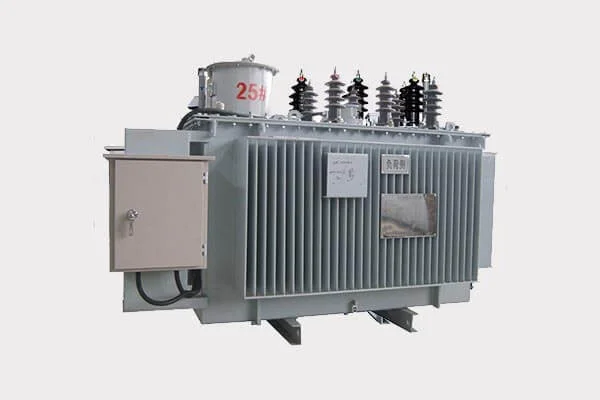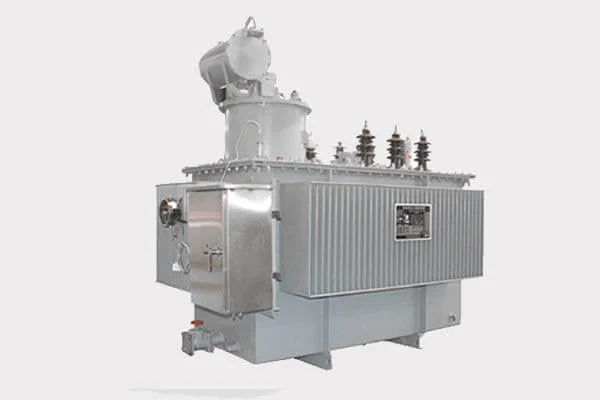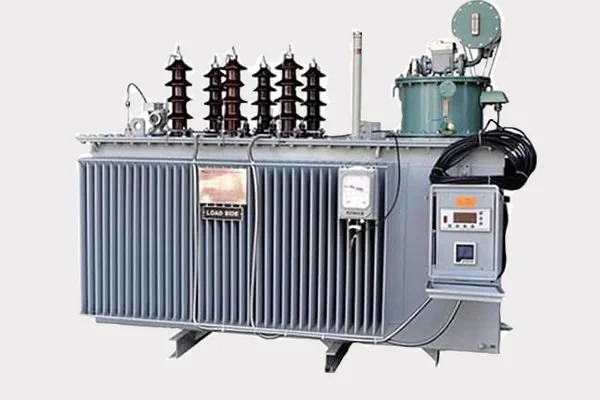
Power transmission lines experience voltage drops during the process. The customers at the other end experience reduced illumination of lights, sluggish motor operations, and trips in the equipment. This problem can be solved through the use of an automatic voltage regulator. We are automatic regulator manufacturers that design robust regulators for utility companies, industries, and rural distribution. Our step automatic voltage regulators ensure a constant supply despite variations in load at different times of the day. Our units are designed to operate outdoors for many years without much maintenance.
Choosing among our voltage regulators is easy:
Each of the Feeder Voltage Regulators offered by us features a tap changer which operates in small increments, thus maintaining voltage at a constant level without any fluctuations. The Distribution Line Voltage Regulator can be installed either on a pole or on a plinth, depending on its weight and size.
These are normal parameters. We will complete the design of the AVR after analysing your feeder.
Let us know your feeder voltage and load current so we can size the correct AVR for you.
An efficient step voltage regulator should keep operating despite changes in loads and switching. The tap changer of such regulators is located in oil and serves as a cooling system for the device, as well as prolonging its insulation's lifespan.
The automatic voltage regulator proves to be helpful when voltage levels drop below the permissible limit:
In such scenarios, a Feeder Voltage Regulator helps prevent motor breakdowns, lamp burning, and customer complaints. Moreover, a Distribution Line Voltage Regulator can be installed on existing lines with minimal downtime.
We provide professional assistance for your automatic voltage regulator, starting from planning to commissioning:
Also, we recommend a bypass switch and isolators in order to remove the Distribution Line Voltage Regulator for maintenance without interrupting the supply to consumers.
All units are subjected to these tests before shipment:
Our products conform to IEEE C57.15 and applicable national standards. All our units are supplied with test reports. Additionally, each automatic voltage regulator is tested for oil leakage and finish before shipping.
By selecting a well-experienced Automatic Voltage Regulator manufacturer, you will have a product that is engineered to operate under actual feeder conditions. Our step voltage regulator products have been proven to work efficiently in both rural and industrial environments. Each of our Feeder Voltage Regulator products ships with setting guidelines.
Install an automatic voltage regulator on the feeder, where voltage starts to fall below the limit. It raises the voltage in steps and holds it steady as the load changes.
Place the Feeder Voltage Regulator where voltage first nears the lower limit. On a long feeder, this is usually between one-third and halfway along the line. We check your load data before fixing the spot.
A standard step voltage regulator corrects up to ±10% in 32 steps. This is enough for most long rural feeders.
A Distribution Line Voltage Regulator carries surge arresters on its source and load bushings. They divert surge current to earth. Good earthing is important, so keep the earth resistance low.
To size the automatic voltage regulator, please share your feeder voltage and number of phases, the maximum load current or kVA, the line length and conductor type, the voltage at the source and at the tail end, and your expected future load growth. With these details, we can suggest the right rating and location.